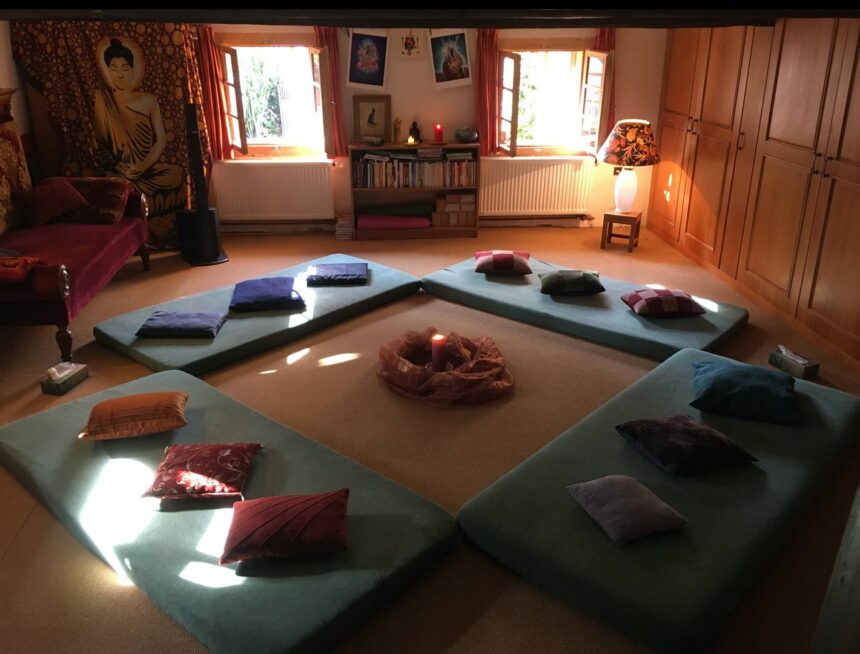

Holotropic breathwork has been quietly moving from niche circles into the mainstream, drawing interest from people who seek deeper self understanding, emotional release, and personal transformation. While it might sound like just another breathing technique, it is anything but ordinary. In fact, when someone asks “what is holotropic breathwork”, they are stepping into a field that combines psychology, spirituality, and experiential therapy in a rather unique way.
Holotropic breathwork has been quietly moving from niche circles into the mainstream, drawing interest from people who seek deeper self understanding, emotional release, and personal transformation. While it might sound like just another breathing technique, it is anything but ordinary. In fact, when someone asks “what is holotropic breathwork”, they are stepping into a field that combines psychology, spirituality, and experiential therapy in a rather unique way.
Originally developed by psychiatrist Stanislav Grof and his wife Christina, holotropic breathwork was designed as a non pharmacological alternative to psychedelic therapy. Instead of substances, the method uses intensified breathing, evocative music, and a safe, supportive environment to access expanded states of consciousness. These states, often described as deeply introspective or even transcendent, allow individuals to process emotions, memories, and inner conflicts in ways that traditional talk therapy may not reach.
At first glance, the method may seem simple. You lie down, breathe faster and deeper than usual, and let the process unfold. Yet beneath that simplicity lies a carefully structured approach. Sessions are typically facilitated by trained practitioners who ensure safety, guide participants, and help integrate the experience afterward.
What is holotropic breathwork in practice
Understanding “what is holotropic breathwork” requires looking at the actual experience. A typical session unfolds in several phases.
First comes preparation. Participants receive guidance, discuss intentions, and create a safe mental and physical space. Then begins the breathing phase, where accelerated breathing is combined with music that evolves throughout the session. This is not random. The music supports emotional waves, moving from activation to release and eventually to calm integration.
During the session, people may experience a wide range of sensations:
Intense emotions, both positive and challenging
Vivid imagery or symbolic visions
Physical sensations such as tingling or energy flow
Memories resurfacing from childhood or beyond
A sense of connection to something larger than oneself
After the breathing phase, integration becomes essential. Participants often express their experiences through drawing, sharing, or reflection. This step ensures that insights are not lost but instead translated into everyday understanding.
Why people are turning to holotropic breathwork
In today’s fast paced world, stress, anxiety, and emotional overload are common. Many people feel stuck, unable to process deeper layers of their psyche. Traditional approaches sometimes help, but not always fully.
This is where holotropic breathwork enters the picture. It offers a direct route into the subconscious, bypassing intellectual barriers. People are drawn to it for several reasons:
It allows emotional release without relying solely on words
It supports personal growth and self discovery
It can bring clarity to unresolved life situations
It encourages a sense of inner peace and balance
Interestingly, many participants report that the experience feels deeply personal yet universally relatable. One person might process grief, another might gain insight into relationships, while someone else simply reconnects with their inner self.
Holotropic breathwork how-to basics
For those curious about “holotropic breathwork how-to“, it is important to understand that this method is not typically practiced alone, especially for beginners. Safety and proper guidance play a crucial role.
However, some general principles can be outlined:
Set a clear intention before starting
Create a comfortable, quiet environment
Use rhythmic breathing, deeper and faster than normal
Allow emotions and sensations to arise without resistance
Stay present, observe rather than control
Afterward, take time for integration and reflection
Even though these steps seem straightforward, the depth of the experience can be surprising. That is why trained facilitators are strongly recommended, especially for first time participants.
Common misconceptions and realities
Despite its growing popularity, holotropic breathwork is often misunderstood. Some assume it is purely spiritual, while others think it is just another relaxation technique. In reality, it sits somewhere in between, blending psychological insight with experiential depth.
Another misconception is that it is always intense or overwhelming. While sessions can be powerful, they are also designed to be safe and supportive. Participants are encouraged to go at their own pace, and the process naturally adapts to individual needs.
Integration into everyday life
One of the most important aspects of holotropic breathwork is what happens after the session. Insights gained during the experience need to be integrated into daily life. Without this step, the value of the session can fade.
Integration may include:
Journaling thoughts and emotions
Talking with a facilitator or therapist
Engaging in creative expression
Reflecting on life patterns and behaviors
Over time, these practices can lead to meaningful changes. People often report improved emotional resilience, clearer thinking, and a stronger sense of purpose.
FAQ
What is holotropic breathwork used for?
It is used for personal growth, emotional healing, and exploring deeper layers of the mind.
Is holotropic breathwork safe?
When guided by trained facilitators, it is generally considered safe for most people.
Can beginners try holotropic breathwork?
Yes, but it is recommended to start in a guided group or session rather than alone.
How long does a session last?
Sessions typically last several hours, including preparation and integration phases.
Do you need prior experience?
No prior experience is necessary, but openness and willingness to explore are important.
What is holotropic breathwork like emotionally?
It can range from calming and insightful to intense and transformative, depending on the individual.
Conclusion and next step
Holotropic breathwork is not just a trend. It is a method that has been evolving for decades, helping people reconnect with themselves in meaningful ways. If you are exploring “what is holotropic breathwork” or curious about “holotropic breathwork how-to”, the best next step is to experience it in a safe and supportive environment.
To learn more and explore guided sessions, visit https://holotropicbohemia.eu/ and discover how this powerful method can open new doors in your personal journey.